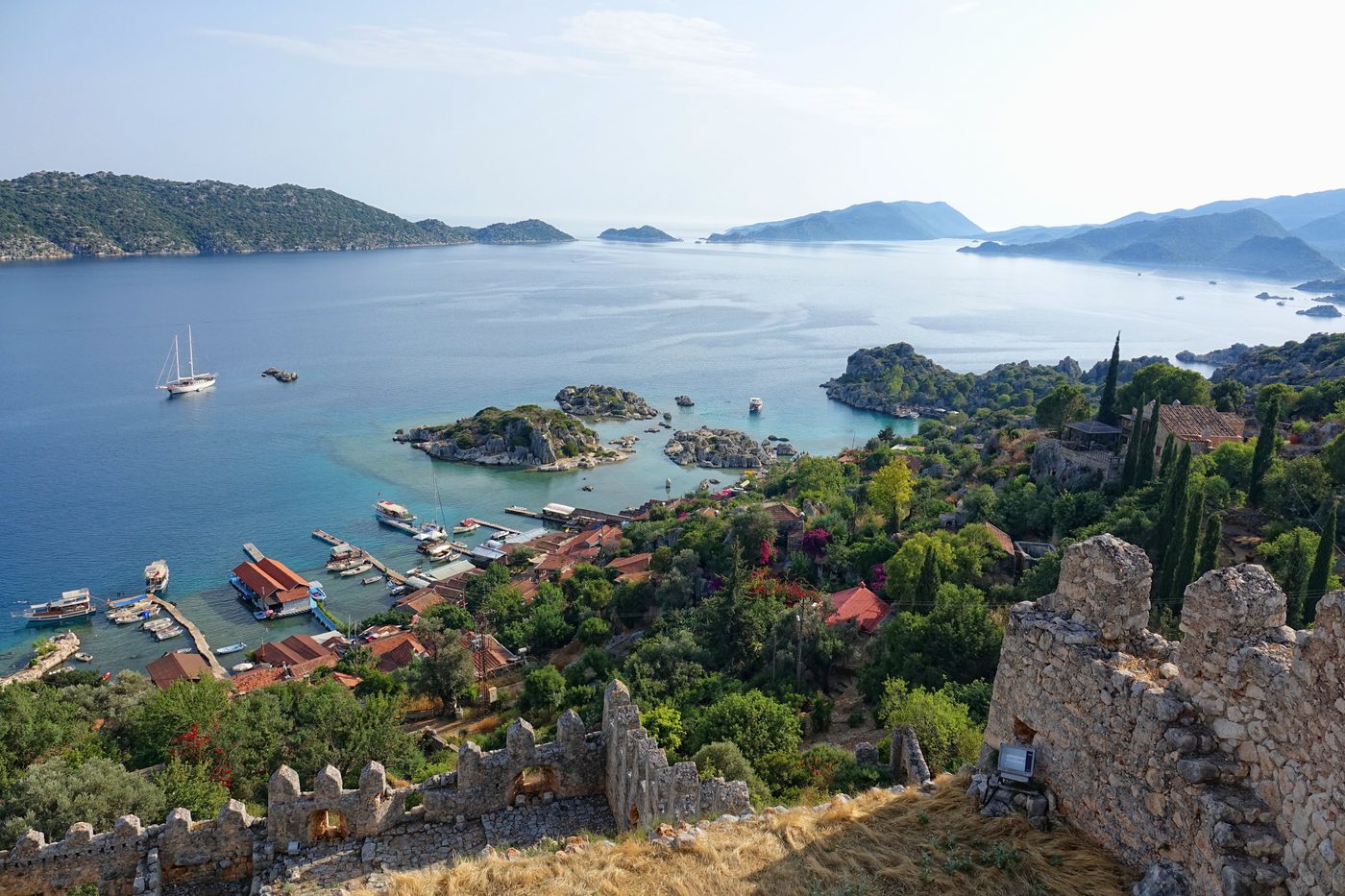
# The Seven Churches of Revelation: Walking the Biblical Trail
Atlas Anatolia Editorial
"To the angel of the church in Ephesus write: I know your deeds, your hard work and your perseverance."
Revelation 2:1-2
The sun, a molten coin, dips toward the Aegean, casting long shadows across the marble colonnades of Ephesus. The air, thick with the scent of thyme and history, is silent but for the cicadas. Here, on this very pavement, a sandaled foot once trod, carrying not just a man, but a message — one of seven, dictated to a visionary named John on the remote island of Patmos. This message, sealed within the final book of the Christian New Testament, the Book of Revelation, was addressed to the "Seven Churches of Asia." For nearly two millennia, these names — Ephesus, Smyrna, Pergamon, Thyatira, Sardis, Philadelphia, Laodicea — have resonated with prophetic and apocalyptic weight. But they were not mere symbols. They were real, thriving, and complex urban centers of the Roman province of Asia, modern-day western Turkey. Today, we embark on a journey not just through scripture, but through stone and soil, walking the biblical trail where archaeology breathes startling life into ancient prophecy.
Prologue: The Dictates from Patmos

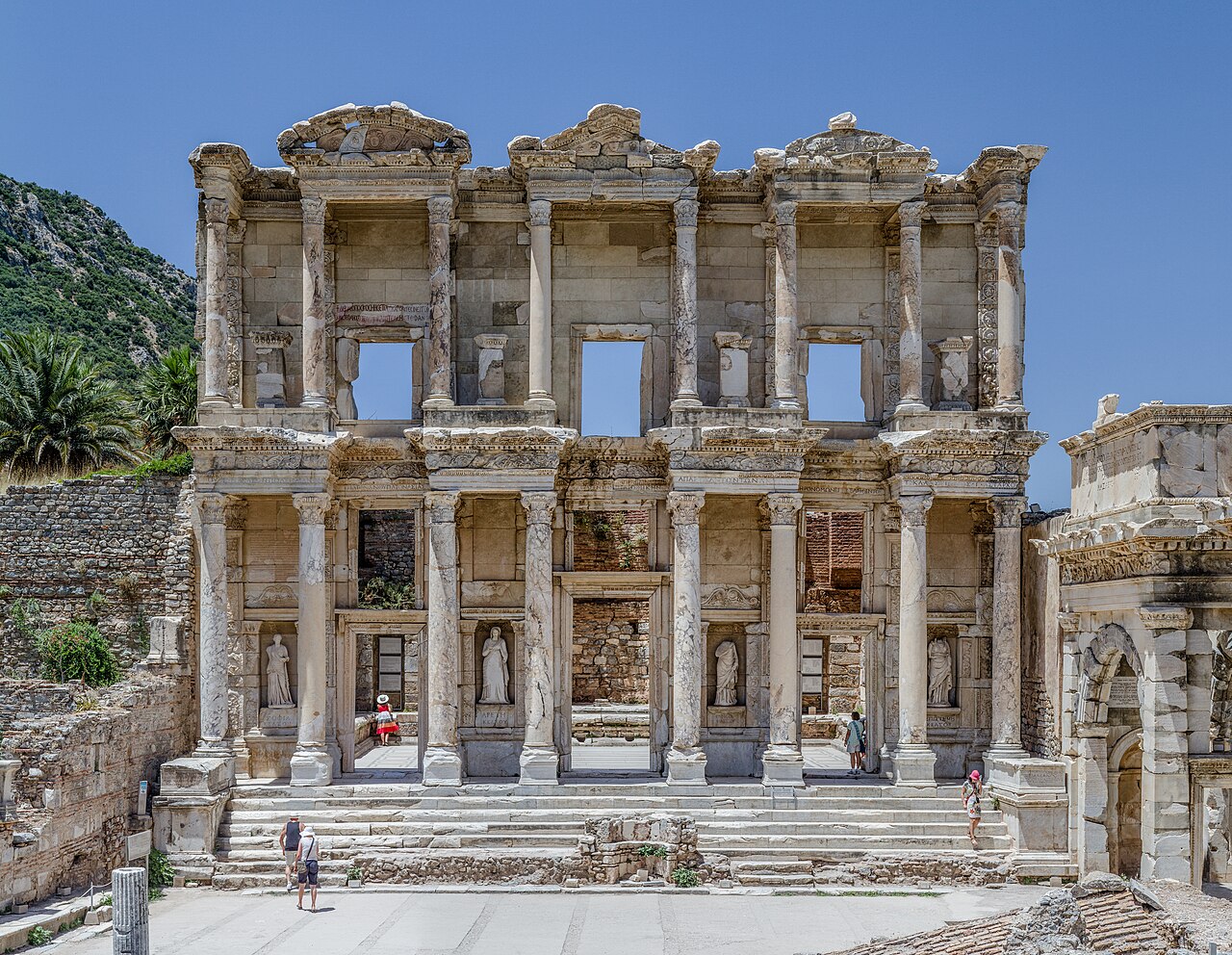
Ephesus Celsus Library Façade | Benh LIEU SONG (CC BY-SA 3.0)
The year is likely circa 95 CE, during the reign of the Emperor Domitian. An elderly Christian leader, John, is exiled on the rocky island of Patmos. In a profound visionary experience, he receives a series of revelations from a divine figure "like a son of man," who instructs him: "Write on a scroll what you see and send it to the seven churches: to Ephesus, Smyrna, Pergamon, Thyatira, Sardis, Philadelphia and Laodicea" (Revelation 1:11). Each church receives a personalized missive, a blend of commendation, rebuke, warning, and promise, uniquely tailored to its spiritual and social condition.
But why these seven? They were not the only, nor necessarily the largest, Christian communities in the region. Scholars suggest they formed a natural circular route for a messenger traveling north from Ephesus, then east, and finally south back towards the coast. More importantly, as we shall see, each city embodied a distinct cultural, economic, and religious character that made its spiritual challenges emblematic. To understand the messages, we must first understand the urban landscapes that shaped their recipients.
Ephesus: The Loveless Metropolis

TR.IZ.Selcuk Ephesus Celsus-Library 32 3x2-R 5K | Roy Egloff (CC BY-SA 4.0)
Our trail begins at its logical starting point: **Ephesus, the undisputed capital of Roman Asia. By the 1st century CE, it was a seaport city of 250,000, a dazzling spectacle of imperial power and religious syncretism. Its crown jewel was the Temple of Artemis, one of the Seven Wonders of the Ancient World, a massive marble sanctuary that was both a pilgrimage site and a powerful economic engine (selling silver shrines, as noted in the Acts of the Apostles).
The message to Ephesus (Revelation 2:1-7) commends its hard work, perseverance, and doctrinal vigilance — they have "tested those who claim to be apostles and are not." Yet, the crushing indictment follows: "You have forsaken the love you had at first."
Walking the archaeological site today, this rebuke gains tangible context. The city is an overwhelming display of civic pride and imperial cult. The spectacular Library of Celsus, the vast Great Theatre (capacity 25,000), where the riot for Artemis occurred in Acts 19, and the Temple of the Sebastoi (dedicated to the deified Flavian emperors) all spoke of a society where public loyalty and social conformity were paramount. For Christians here, the pressure to participate in guild feasts (often in temples), trade associations, and emperor worship was immense. Their faith had become a fortress of orthodoxy, but perhaps at the cost of the communal love and radical devotion that defined its birth. Recent excavations near the Harbor Baths have uncovered early 2nd-century CE houses with Christian symbols, suggesting the community persisted, but the archaeological grandeur of pagan Ephesus makes the spiritual warning starkly clear: even in a city of wonders, the heart can grow cold.

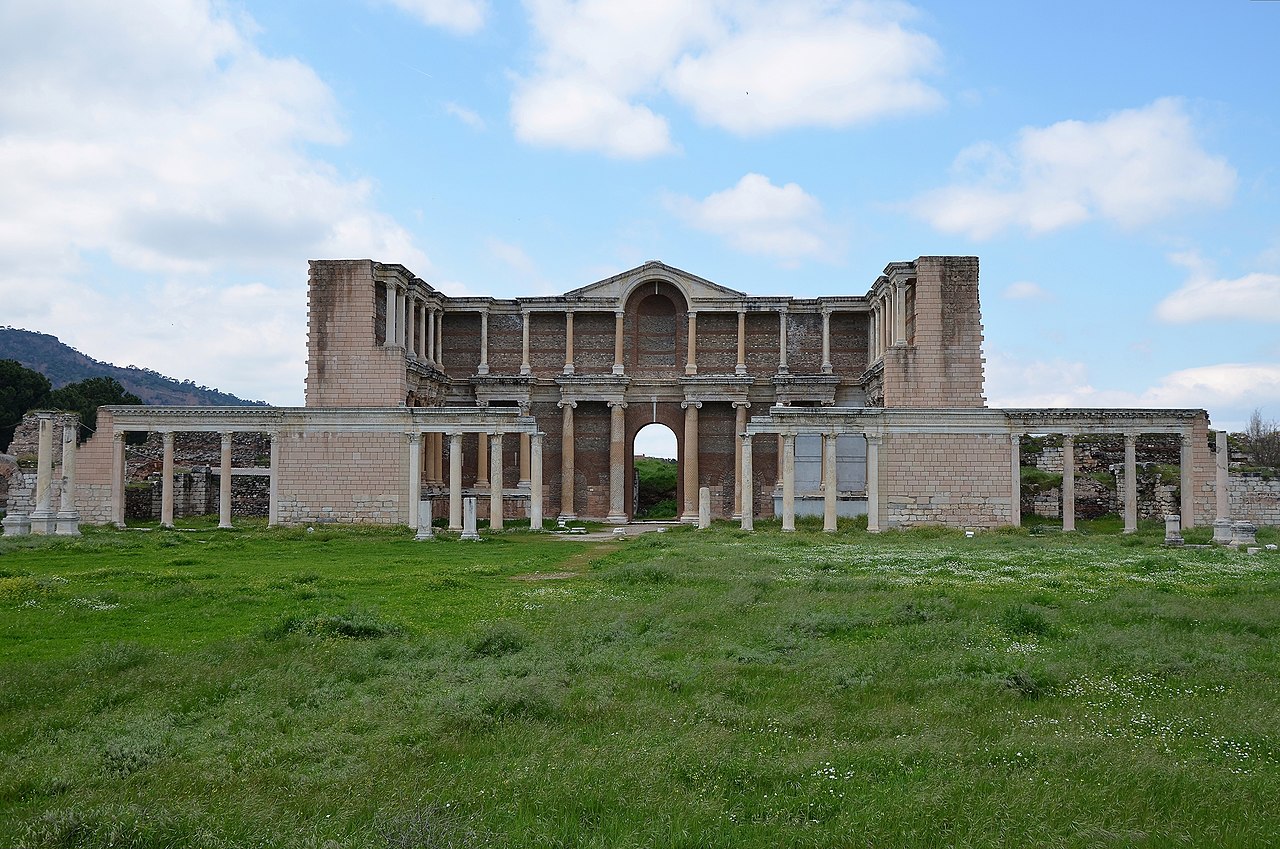
Sardis Synagogue, late 3rd century AD, Sardis, Lydia, Turkey (19331773400) | Carole Raddato from FRANKFURT, Germany (CC BY-SA 2.0)
Smyrna: The Crown of Martyrdom
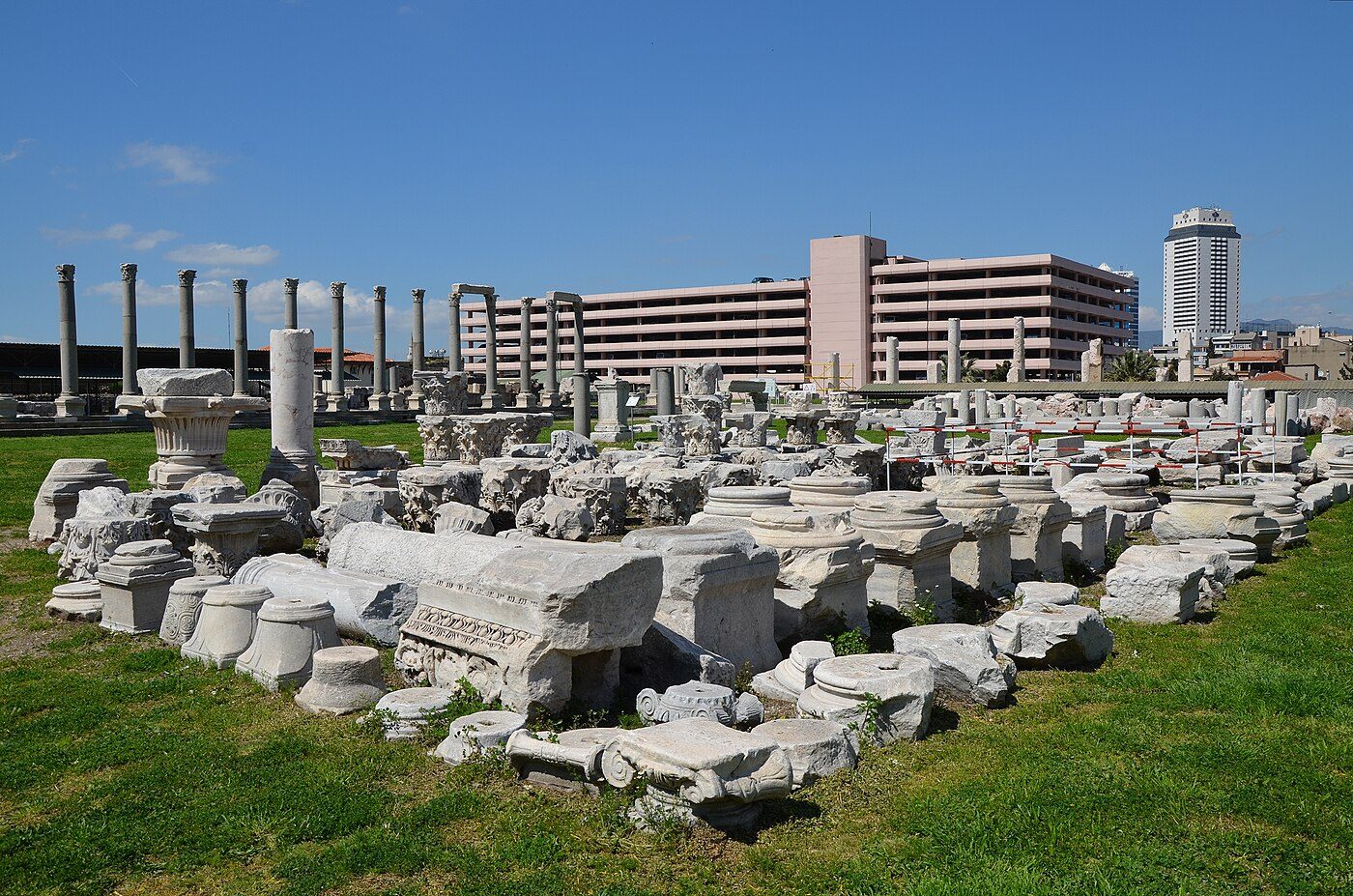
Traveling north about 35 miles along the coast, we reach Smyrna (modern Izmir), a city renowned for its beauty, loyalty to Rome, and fierce civic pride. Its message (Revelation 2:8-11) is one of unalloyed compassion and encouragement. Christ identifies himself as "the First and the Last, who died and came to life again," a direct comfort to a church facing poverty and slander from "those who say they are Jews and are not, but are a synagogue of Satan." He warns of an impending imprisonment and persecution, urging them to "be faithful, even to the point of death, and I will give you life as your victor’s crown."
Archaeology in bustling modern Izmir is challenging, but key finds illuminate this context. The city was a fervent promoter of the imperial cult, having won the coveted right to build a temple to the goddess Roma as early as 195 BCE. By the late 1st century CE, it likely had a Temple to Tiberius. The "crown" (stephanos) promised to the faithful is a poignant counter to the civic crowns worn by priests and benefactors in Smyrna’s lavish festivals. Excavations on the slopes of Mount Pagos, the city's acropolis (the "Crown of Smyrna"), have revealed the Agora, rebuilt after an earthquake in 178 CE. While later than John’s time, it shows the scale of civic life. The church’s poverty may have been economic, but more likely social — exclusion from the trade guilds centered on pagan worship. The prophecy of martyrdom found historical fulfillment in the death of Polycarp, Bishop of Smyrna, who was burned at the stake in the city’s stadium circa 155 CE for refusing to swear by the genius of the emperor. The message to Smyrna is written not in stone, but in fire and blood.
Pergamon: Where Satan Has His Throne
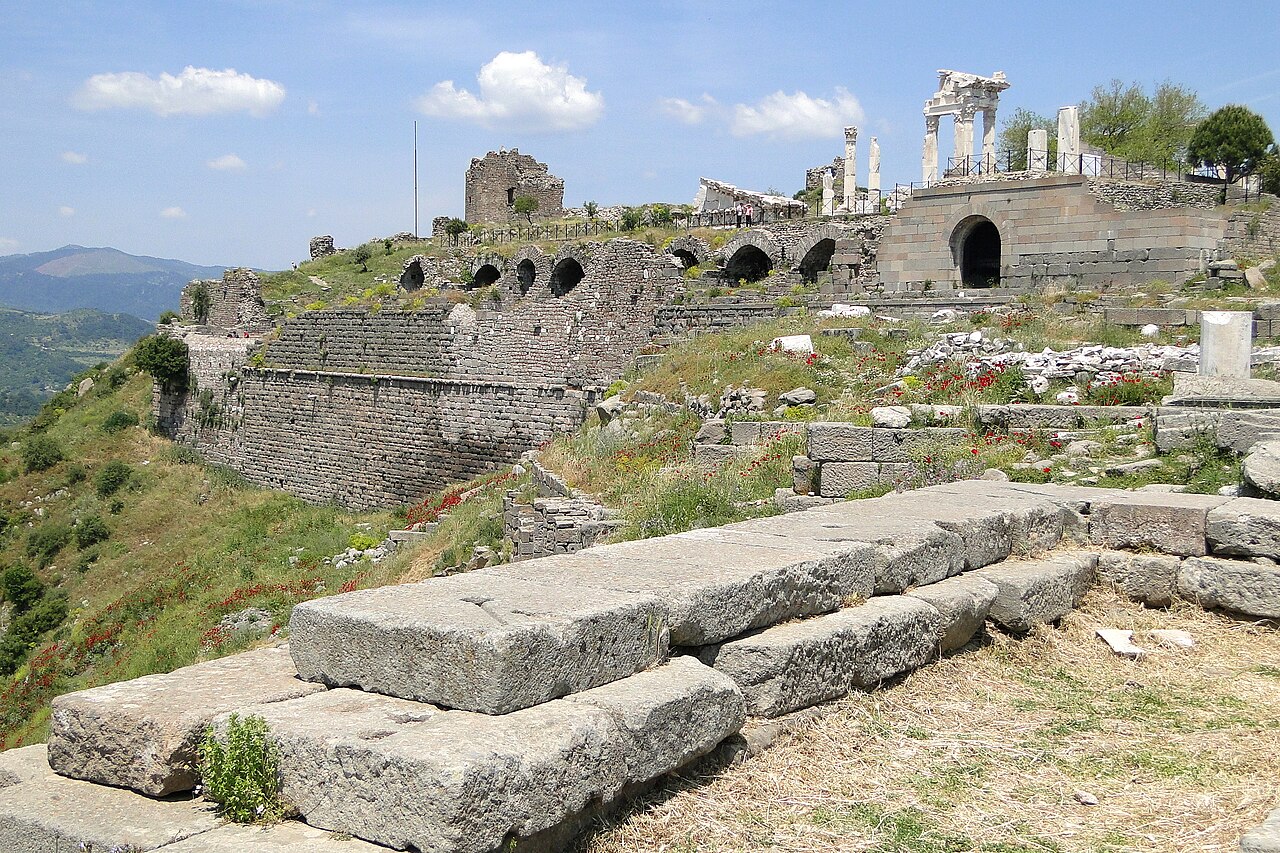
Turning inland, the trail climbs to the awe-inspiring acropolis of Pergamon. This was no ordinary city; it was a monumental statement in marble, a former royal capital and a center of learning with a library second only to Alexandria. Its message (Revelation 2:12-17) is severe: "I know where you live — where Satan has his throne." This is likely a direct reference to the Altar of Zeus, a gigantic, colonnaded structure perched dramatically on the acropolis. Excavated in the late 19th century and now in Berlin’s Pergamon Museum, its frieze depicted the gigantomachy, the gods’ victory over chaos — a powerful symbol of pagan divine order upheld by Rome.
But Satan’s "throne" was multifaceted. Pergamon was also the official center of the Imperial Cult in Asia, having been granted the privilege to build the first provincial temple dedicated to the worship of a living emperor, Augustus and Roma (circa 29 BCE). The city was saturated with divine claims. The message also condemns the teaching of "Balaam" and the "Nicolaitans," who encouraged Christians to eat food sacrificed to idols and commit sexual immorality — likely a reference to participating in pagan society to advance economically.
Walking the site, the pressure is palpable. From the soaring Theatre cut into the hillside to the foundations of the Great Altar and the Temple of Trajan (completed after Revelation, but indicative of the cult’s permanence), the cityscape demanded allegiance. The promise to the "victorious" is a "white stone with a new name." Intriguingly, countless votive stones and inscriptions have been found at Pergamon’s Asclepion (a famed healing sanctuary), suggesting the practice of receiving a token with a divine name. Christ’s promise is a subversion: not a token from a pagan god, but a new identity from the true God.
Thyatira: The Tolerant Trade Guild City
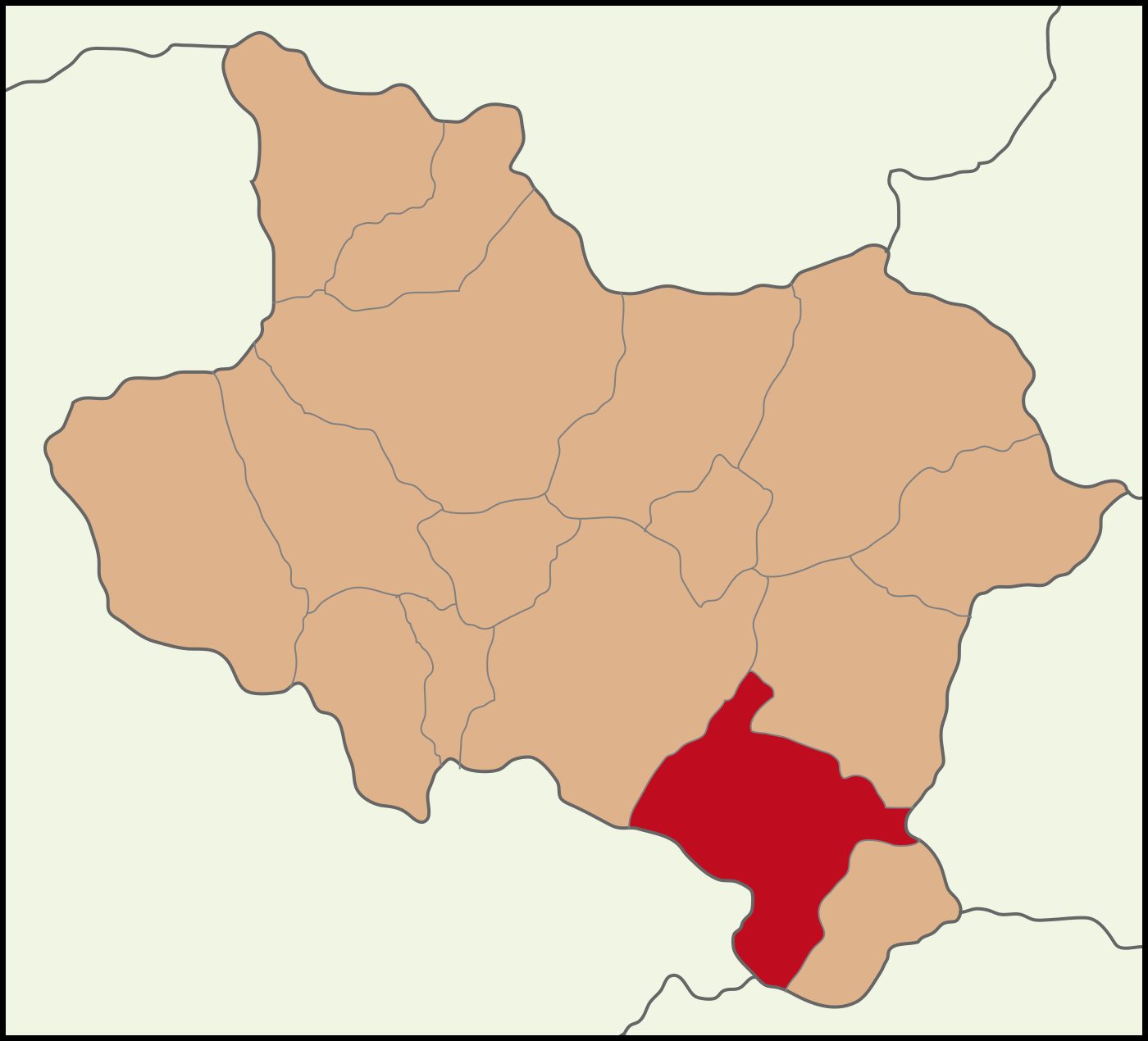
Descending to the river valley, we reach Thyatira (modern Akhisar), a city of a different character. Not a political capital, it was a prosperous commercial and manufacturing hub, famous for its dyeing (notably purple), bronze-working, and numerous trade guilds. Its message (Revelation 2:18-29) commends its love, faith, service, and perseverance. Yet, it tolerates "that woman Jezebel," who misleads servants into sexual immorality and eating food sacrificed to idols.
The archaeological remains of Thyatira are less spectacular but telling. Extensive excavations have revealed a Colonnaded Street, a Theatre, and most significantly, numerous inscriptions related to trade guilds (wool-workers, linen-workers, dyers, tanners, potters, bakers). Membership in these guilds, essential for making a living, involved regular meetings that featured feasts in pagan temples and homage to patron deities. The prophetess "Jezebel" likely advocated for a compromising accommodation with this system. A 1st-century CE inscription from Thyatira records a decree from the city’s assembly regarding guild regulations, underscoring their civic importance. For a Christian leatherworker or dyer in Thyatira, the choice was stark: spiritual purity with economic ruin, or compromise with idolatry for daily bread. The message offers no easy answer but calls for a separation from the pervasive guild culture, promising authority to the one who "overcomes."
Sardis: The City of the False Awakening
Traveling south, we come to Sardis, the ancient capital of the Lydian kingdom under the famously wealthy King Croesus (6th century BCE). By the Roman era, it lived off its glorious past. Perched on a steep acropolis, it was considered militarily impregnable but had been captured twice due to overconfidence. Its message (Revelation 3:1-6) is devastating: "You have a reputation of being alive, but you are dead.. I have not found your deeds complete in the sight of my God."
The archaeology of Sardis is a masterclass in this dissonance between reputation and reality. The city’s monumental Artemis Temple, one of the largest in the ancient world, was never completed despite centuries of work. The magnificent Marble Court and the Gymnasium-Bath Complex, reconstructed in the 3rd century CE, speak to later wealth, but 1st-century Sardis was perhaps a city resting on its laurels.
Most revealing is the Synagogue, a later (3rd-4th century CE) but immense structure integrated into the bath complex, indicating a wealthy, assimilated Jewish community. The church in Sardis, warned to "wake up" and strengthen what remains, may have been similarly assimilated and lethargic, blending into the comfortable civic life. The call to remember what they "have received and heard" is a call to rediscover a distinct identity in a city content with the echo of past glory. The few who have "not soiled their clothes" will walk with Christ "dressed in white" — a contrast perhaps to the soiled garments of the city’s famed wool-dyers.
Philadelphia: The Little Church That Could
Further east, in a region of seismic activity, lies Philadelphia (modern Alaşehir). Founded as a gateway to Phrygia, it was a relatively new city, prone to earthquakes. A major quake in 17 CE devastated it, and imperial aid helped it rebuild, leading to a temporary name change to "Neocaesarea." Its message (Revelation 3:7-13) is overwhelmingly positive. Christ holds "the key of David" and has set before them "an open door that no one can shut." He acknowledges their "little strength" but praises their faithfulness amidst persecution from the "synagogue of Satan."
Philadelphia’s archaeological remains are sparse, but the historical context is vivid. The city was a missionary gateway to the interior. The "open door" is likely a metaphor for this evangelistic opportunity. Living in a city repeatedly shaken physically, the church is promised to be made a "pillar in the temple of my God," a symbol of permanence. The promise of writing upon them "the name of my God and the name of the city of my God.. and my own new name" is a gift of an unshakeable, divine citizenship. In a city that owed its existence to imperial benevolence, this was a powerful counter-narrative. The Philadelphia church, though small and vulnerable, was steadfast, its legacy one of endurance rather than monumental architecture.
Laodicea: The Lukewarm Banking Center
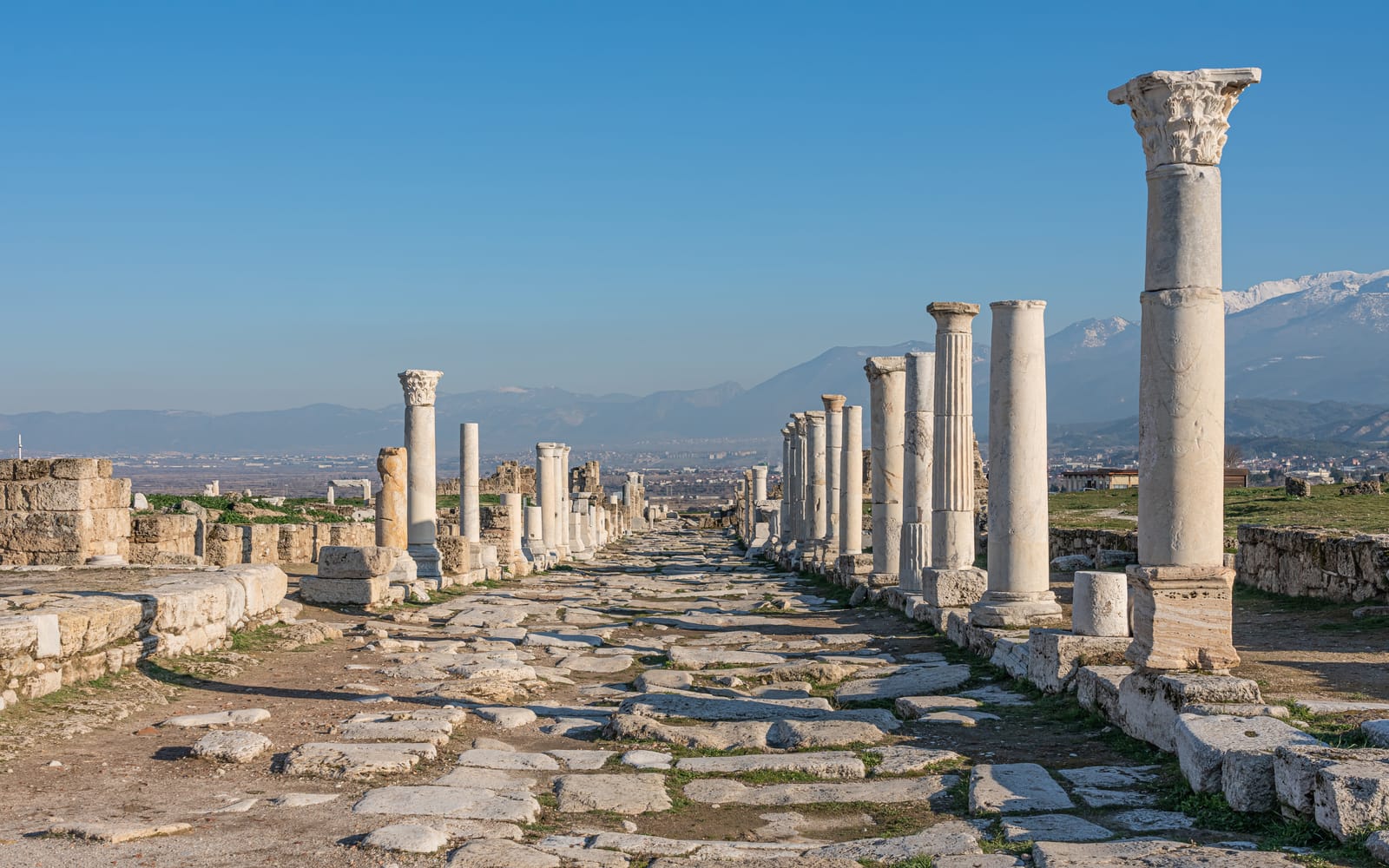
Our trail concludes at Laodicea (near modern Denizli), a wealthy banking and textile center. Famous for its black wool, a medical school, and a patent eye salve, it was so rich that after the great earthquake of 60 CE, it refused imperial aid and rebuilt itself. Its message (Revelation 3:14-22) is the most famous and scathing: "I know your deeds, that you are neither cold nor hot.. So, because you are lukewarm — neither hot nor cold — I am about to spit you out of my mouth."
The archaeological excavations here, intensely active in the 21st century, provide stunning corroboration. The city had no natural water supply. Aqueducts brought water from hot springs at Hierapolis (5 miles north) and cold, pure springs from Denizli. By the time the water reached Laodicea, it was tepid and mineral-laden — literally lukewarm and nauseating. Christ uses their most infamous civic engineering problem as a metaphor for their spiritual state.
The city’s wealth is evident in its sizeable Stadium, two massive Theatres, the Nymphaeum, and the Agora. In 2010, archaeologists uncovered a 1st-century CE bakery with carbonized loaves still in the oven, a snapshot of daily life. Most tellingly, they found a 3rd-century CE inscription naming a wealthy citizen, Zenon**, who paid to rebuild the city after an earthquake. This was Laodicean self-sufficiency incarnate. The church, immersed in this culture of financial pride and medical knowledge, claimed, "I am rich; I have acquired wealth and do not need a thing." Christ retorts they are "wretched, pitiful, poor, blind and naked." He offers true gold, white clothes (contrasting their famous black wool), and salve for their eyes. The invitation is to move from self-satisfied wealth to dependent relationship: "Here I am! I stand at the door and knock."
Epilogue: The Stones Cry Out
Walking the trail of the Seven Churches is to witness a profound dialogue between text and terrain. The messages in Revelation are not abstract theological treatises; they are divine commentary on specific urban realities — the economic pressure of guilds in Thyatira, the paralyzing pride of Sardis, the nauseating water of Laodicea, the looming altars of Pergamon.
Archaeology does not prove the prophecy, but it illuminates the context with startling clarity. It shows us the "thrones" the early Christians faced and the steep cost of their faithfulness. The stones, columns, and inscriptions cry out, giving texture to the spiritual struggles these communities endured. They reveal a fledgling faith navigating the dizzying complexities of the Roman world, called to be in the city but not of it.
Today, as you stand in the silent theatre of Ephesus or gaze upon the commanding acropolis of Pergamon, listen closely. Beyond the wind and tourist guides, you might hear the echo of an ancient choice: to conform or to overcome. The trail of the Seven Churches is more than a historical itinerary; it is a timeless map of the challenges of living with conviction in the heart of a powerful, seductive, and often hostile world. The walk, it turns out, is not just through Anatolia, but into the deepest questions of identity, allegiance, and what it means to be truly awake in a sleeping city.